
Holiday weight gain is a common concern for many people as it may encourage overeating, sedentary behaviour, and consumption of calorie-rich foods. In fact, between mid-November and mid-January, adults gain an average of 1-3 kg. This may not seem like a lot, but most people don’t lose this extra weight. Therefore, holidays may be one of the biggest contributors to your total annual weight gain.
Here are tips to help you avoid weight gain during the holiday season.
1. Be active with family and friends
Sedentary activities, such as sitting on the couch watching TV, are common holiday traditions for many families. Inactivity may contribute to weight gain, especially if accompanied by overeating.
Doing some type of physical activity with your family even something as simple as a family walk. This will be beneficial for weight control as well as time to bond with your loved ones.
2. Snack wisely
During the holiday season, unhealthy snacks like cookies and other sugar containing products tend to be available for you to take as you please.
When treats are easy to access, you’re more likely to snack unnecessarily. This problem can be solved by keeping treats out of sight.
Try to be mindful of your snacking habits. If you find yourself munching just because there’s food around — and not because you’re hungry — it’s best to avoid snacking altogether.
However, if you are hungry and need a snack, opt for real foods. Fruits, vegetables, nuts, and seeds are filling snacks that don’t contain added sugars or unhealthy fats — both of which can lead to weight gain.
3. Watch your portion sizes
When the holidays arrive, it can be easy to overload your plate. The best way to control portion sizes is to use smaller plates.
To determine an appropriate portion size, read food labels and the recommended serving sizes listed on recipes and your meal plan.
4. Keep meals balanced with protein
Holiday meals are typically rich in carbohydrates but low in protein. It’s important to include protein with every meal, as it promotes fullness, can increase your metabolism and levels of appetite-reducing hormones thus assisting with weight maintenance.
5. Focus on fiber
Fiber is another important nutrient that induces fullness and keeps your digestive system regular. Some studies show that increased dietary fiber can reduce total calorie intake, which may help prevent weight gain over the holidays.
Do your best to eat fiber-rich foods, such as vegetables, fruits, legumes, whole grains, nuts, and seeds.
6. Bring a healthy dish to share
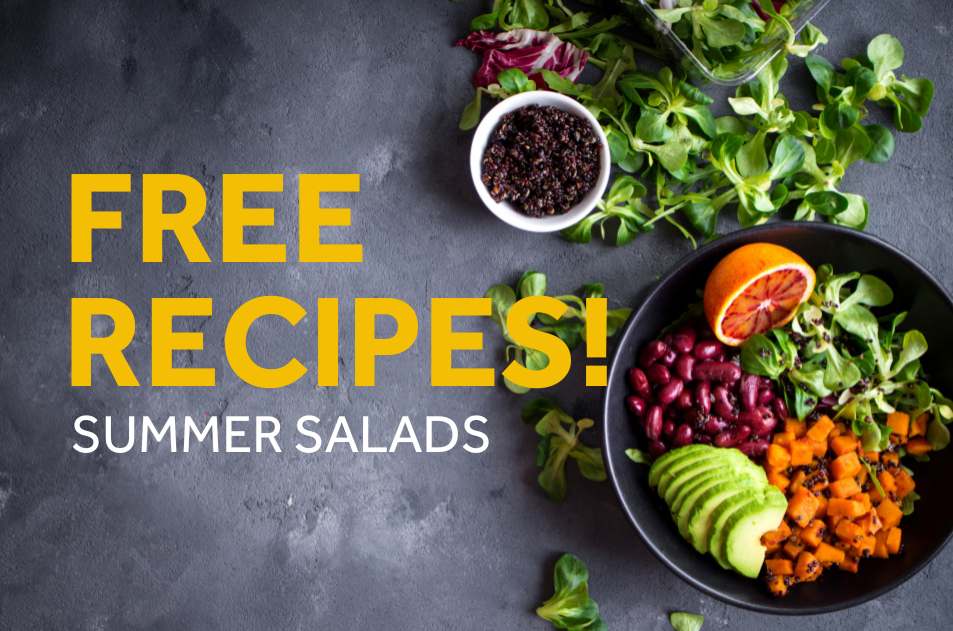
Have control over what you consume. One simple trick is to bring your own healthy dish to share. This way, you can guarantee you’ll have something to eat that aligns with your weight goals. I have included healthy holiday recipes on my Blog.
7. Do not drink your calories!
During the holidays, alcohol, fizzy drinks, and other calorie-rich beverages are popular. These drinks can contribute a significant amount of sugar and empty calories to your diet, which can cause weight gain. Alcohol intake is often linked to increased appetite especially for fatty foods and snacks. Rather enjoy homemade ice-tea, sparkling or detox water with lemon. You can also opt for dealcoholized alternatives.
8. Plan ahead
Planning ahead can go a long way towards preventing holiday weight gain. If you have parties, ask what foods will be served or bring your own dish. Decide what and how much you’ll eat ahead of time.
Use your healthy holiday recipes so you don’t run out of ideas.
Holiday meals are sometimes served buffet-style, with several options to choose from in unlimited amounts. This leads people to serve themselves seconds — and maybe even thirds.
As the calories from multiple helpings can quickly contribute to weight gain, limit yourself to just one plate.
During the holiday season, many people have an “I’ll start tomorrow” mentality, which can end up prolonging unhealthy habits.
If you’re serious about controlling your weight, it may be helpful to draw the line, set limits for yourself, and stick to your goals regarding food intake. It’s okay to say no to certain foods and habits that don’t align with your goals.
It’s also important to be aware that you might have a slip-up or two.
People often abandon their goals after this happens. However, it’s best to simply move on and make a healthier choice the next time you eat.
Happy Holidays!